


As a supplier of galvanized stack racks, I am often asked about the seismic resistance of these products. In this blog post, I will delve into what seismic resistance means for galvanized stack racks, the factors that influence it, and how we ensure our products can withstand seismic events.
Understanding Seismic Resistance
Seismic resistance refers to the ability of a structure or product to withstand the forces generated by an earthquake. Earthquakes produce ground motions that can exert significant lateral and vertical forces on objects. For galvanized stack racks, which are commonly used in warehouses, factories, and cold rooms to store various materials, seismic resistance is crucial to prevent collapse, damage to stored goods, and potential harm to personnel.
Factors Affecting the Seismic Resistance of Galvanized Stack Racks
1. Material Quality
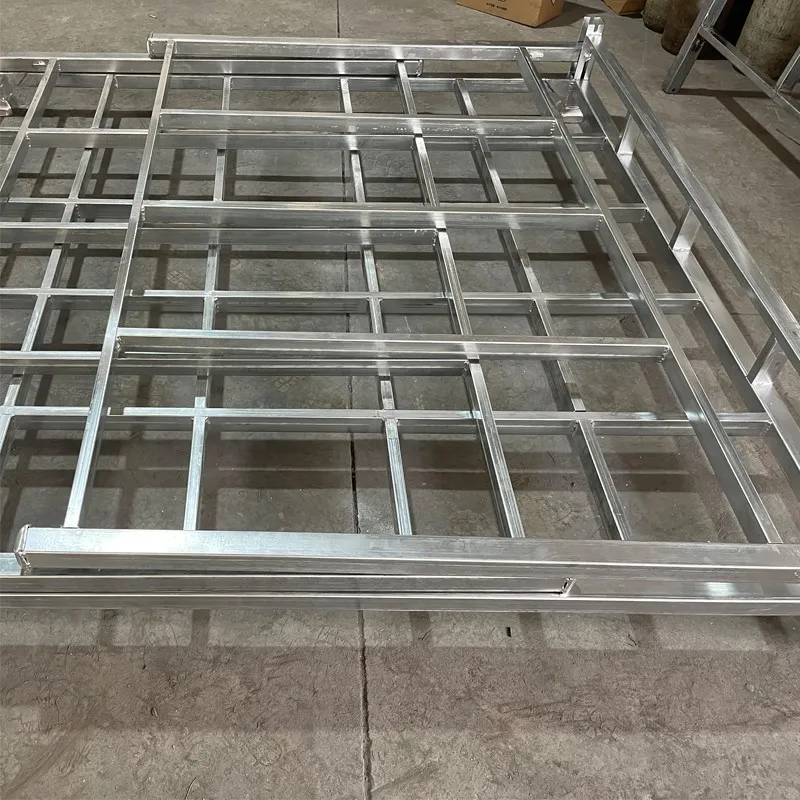
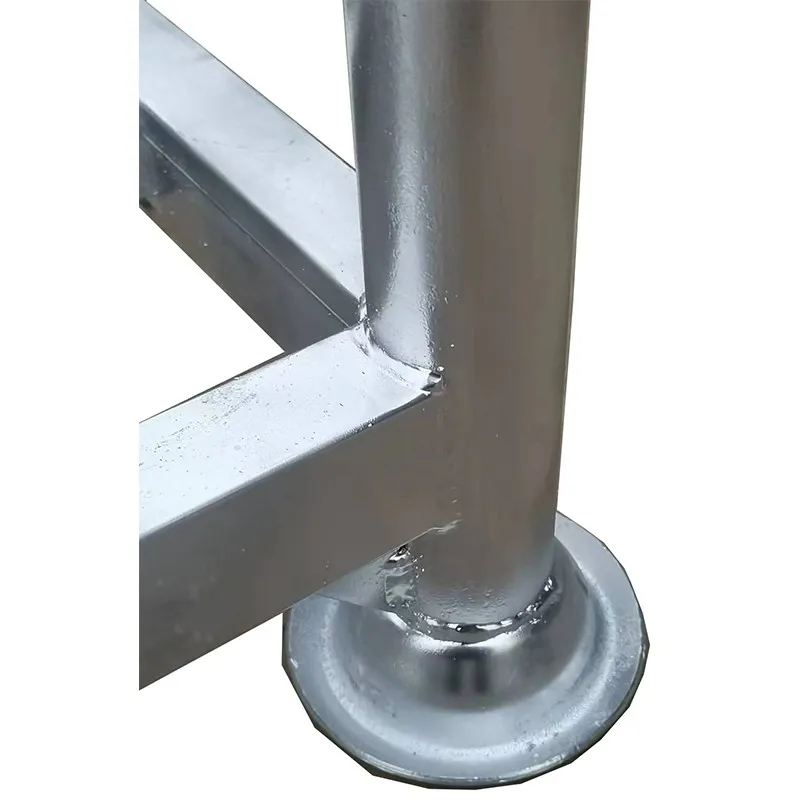
The quality of the galvanized steel used in the stack rack is a fundamental factor. Galvanization is a process of coating steel with a layer of zinc to protect it from corrosion. High - quality galvanized steel not only has better corrosion resistance but also higher strength. Our Galvanized Material Stack Rack is made from top - grade galvanized steel, which provides a solid foundation for seismic resistance. The steel's yield strength and ductility play important roles. A steel with higher yield strength can withstand greater forces before deforming, while ductility allows the rack to absorb energy during an earthquake without sudden brittle failure.
2. Structural Design
The design of the stack rack is another critical factor. A well - designed rack should have a stable and balanced structure. For example, racks with a wider base are generally more stable than those with a narrow base. Our engineers use advanced design software to optimize the structure of the stack racks. They consider factors such as the height - to - width ratio, the arrangement of beams and columns, and the connection methods between different components. The Collapsible Galvanized Stack Rack is designed with a collapsible feature, but this does not compromise its seismic resistance. The collapsible parts are engineered to lock firmly in place during normal use, providing a stable structure that can resist seismic forces.
3. Installation and Anchoring
Proper installation and anchoring are essential for seismic resistance. A stack rack that is not installed correctly or is not properly anchored to the floor can easily topple during an earthquake. Our installation teams are highly trained to ensure that every rack is installed according to the strictest standards. They use appropriate anchoring methods, such as bolts or epoxy resin, to secure the rack to the floor. This helps to transfer the seismic forces from the rack to the floor, reducing the risk of collapse. For Stack Rack for Cold Room, the installation also takes into account the special environment of the cold room, ensuring that the rack remains stable even in low - temperature conditions.
Testing and Certification
To ensure the seismic resistance of our galvanized stack racks, we conduct a series of tests. These tests simulate the ground motions of different magnitudes of earthquakes. We use specialized equipment to measure the forces acting on the rack and to observe its deformation and response. Based on the test results, we make necessary adjustments to the design and manufacturing process.
In addition to in - house testing, our products also comply with relevant international and national standards for seismic resistance. These standards set out specific requirements for the design, materials, and installation of structures to ensure their safety during earthquakes. By obtaining these certifications, we can provide our customers with the confidence that our galvanized stack racks are reliable and can withstand seismic events.
Case Studies
We have many successful case studies that demonstrate the seismic resistance of our galvanized stack racks. In one instance, a warehouse in an earthquake - prone area was hit by a moderate - magnitude earthquake. The Galvanized Material Stack Rack installed in the warehouse remained intact, with only minor deformation. The stored goods were mostly undamaged, and there was no risk of collapse, which minimized the economic loss for the customer.
Importance of Seismic Resistance in Different Applications
1. Warehouses
In warehouses, stack racks are used to store large quantities of goods. A collapse of the racks during an earthquake can lead to significant damage to the stored products, disruption of the supply chain, and potential injury to workers. Seismic - resistant stack racks can prevent these disasters and ensure the continuity of warehouse operations.
2. Cold Rooms
Cold rooms are used to store perishable goods, such as food and pharmaceuticals. The stability of the Stack Rack for Cold Room is crucial to maintain the proper storage environment. An earthquake - induced collapse of the racks can damage the cooling system, lead to temperature fluctuations, and spoil the stored goods. Seismic - resistant racks help to protect the integrity of the cold room and the quality of the stored products.
3. Factories
In factories, stack racks are used to store raw materials and finished products. A collapse of the racks can disrupt the production process, cause damage to equipment, and pose a safety hazard to workers. Seismic - resistant racks ensure the smooth operation of the factory and the safety of the workforce.
Conclusion
Seismic resistance is a vital characteristic of galvanized stack racks. As a supplier, we are committed to providing high - quality products that can withstand seismic events. Through the use of high - quality materials, advanced structural design, proper installation, and rigorous testing, our Collapsible Galvanized Stack Rack, Stack Rack for Cold Room, and Galvanized Material Stack Rack offer reliable storage solutions for various industries.
If you are interested in our galvanized stack racks or have any questions about their seismic resistance, please feel free to contact us for procurement and further discussion. We are always ready to provide you with professional advice and high - quality products.
References
- Building Seismic Safety Council. (Year). Seismic Design Criteria for Buildings and Other Structures.
- International Organization for Standardization. (Year). ISO Standards for Seismic Resistance of Structures.
- American Institute of Steel Construction. (Year). Steel Design Manual for Seismic - Resistant Structures.


