


As a supplier of galvanized stack racks, I often encounter inquiries about the corrosion resistance level of our products. In this blog, I'll delve into the factors that determine the corrosion resistance of galvanized stack racks, explore the different levels of protection they offer, and discuss the practical implications for various applications.
Understanding Galvanization and Corrosion Resistance
Galvanization is a process of coating steel or iron with a layer of zinc to protect it from corrosion. The zinc layer acts as a sacrificial anode, meaning it corrodes preferentially to the underlying steel. This sacrificial protection occurs because zinc is more electrochemically active than steel, so it will corrode first when exposed to an electrolyte, such as moisture or saltwater.
There are two main types of galvanization used for stack racks: hot-dip galvanizing and electro-galvanizing. Hot-dip galvanizing involves immersing the steel in a bath of molten zinc at a temperature of around 450°C (842°F). This process creates a thick, metallurgically bonded zinc coating that provides excellent long-term corrosion resistance. Electro-galvanizing, on the other hand, involves depositing a thin layer of zinc onto the steel surface using an electric current. While electro-galvanized coatings are more uniform and aesthetically pleasing, they generally offer less corrosion resistance than hot-dip galvanized coatings.
Factors Affecting Corrosion Resistance
The corrosion resistance of a galvanized stack rack depends on several factors, including the thickness of the zinc coating, the quality of the galvanizing process, the environment in which the rack is used, and the type of load it carries.
- Zinc Coating Thickness: The thickness of the zinc coating is one of the most important factors affecting corrosion resistance. A thicker coating provides more sacrificial zinc, which means it will take longer for the underlying steel to be exposed to corrosion. The minimum thickness of a hot-dip galvanized coating is typically specified by industry standards, such as ASTM A123 or ISO 1461. For stack racks used in outdoor or harsh environments, a thicker coating may be required to ensure long-term durability.
- Galvanizing Process Quality: The quality of the galvanizing process also plays a crucial role in determining the corrosion resistance of the stack rack. A well-executed hot-dip galvanizing process will result in a uniform, adherent zinc coating that is free of defects, such as pinholes or blisters. These defects can expose the underlying steel to corrosion, reducing the overall lifespan of the rack. To ensure the quality of the galvanizing process, it is important to work with a reputable galvanizer that follows strict quality control procedures.
- Environment: The environment in which the stack rack is used has a significant impact on its corrosion resistance. Stack racks used in outdoor environments, such as construction sites or warehouses, are exposed to a variety of corrosive elements, including moisture, oxygen, salt, and pollutants. In coastal areas, the presence of saltwater can accelerate the corrosion process, making it necessary to use stack racks with a higher level of corrosion resistance. Similarly, stack racks used in industrial environments, such as chemical plants or food processing facilities, may be exposed to corrosive chemicals or high humidity, which can also increase the risk of corrosion.
- Load Type: The type of load carried by the stack rack can also affect its corrosion resistance. Heavy or abrasive loads can cause the zinc coating to wear off more quickly, exposing the underlying steel to corrosion. In addition, loads that are prone to moisture retention, such as wet or damp materials, can create a more corrosive environment for the stack rack. To minimize the risk of corrosion, it is important to choose a stack rack that is designed to handle the specific type of load it will carry and to take appropriate measures to protect the rack from moisture and abrasion.
Corrosion Resistance Levels
Based on the factors discussed above, galvanized stack racks can be classified into different corrosion resistance levels, ranging from low to high.

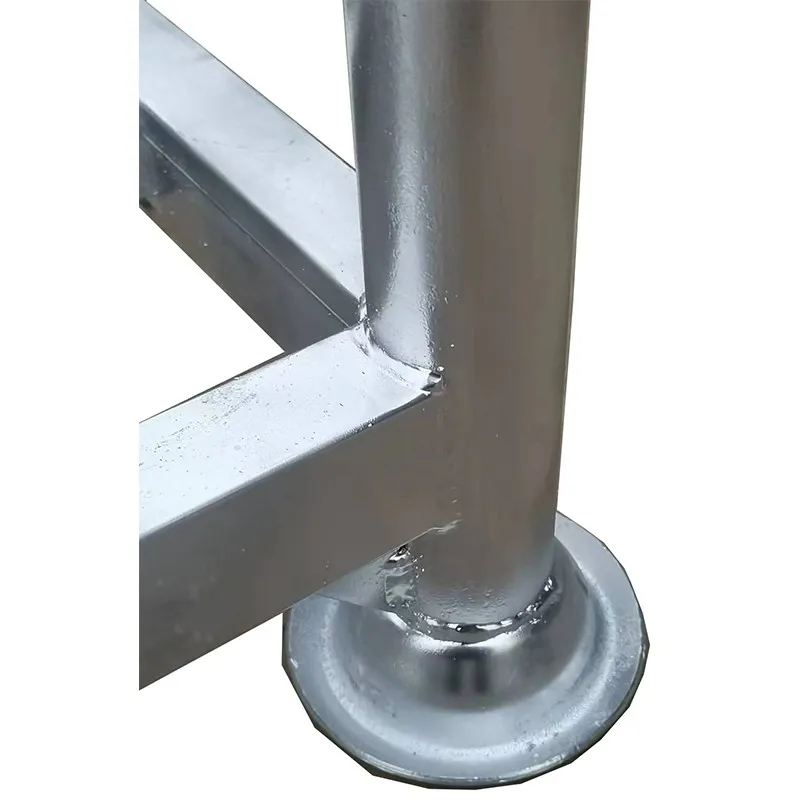
- Low Corrosion Resistance: Stack racks with a low corrosion resistance level typically have a thin zinc coating and are suitable for use in indoor environments with low humidity and minimal exposure to corrosive elements. These racks are often used in light-duty applications, such as storing dry goods or small parts in a warehouse. Examples of stack racks with low corrosion resistance include electro-galvanized racks or racks with a thin hot-dip galvanized coating.
- Medium Corrosion Resistance: Stack racks with a medium corrosion resistance level have a thicker zinc coating and are suitable for use in outdoor environments with moderate exposure to moisture and salt. These racks are commonly used in construction sites, agricultural facilities, and general-purpose warehouses. Hot-dip galvanized stack racks with a standard coating thickness are typically considered to have medium corrosion resistance.
- High Corrosion Resistance: Stack racks with a high corrosion resistance level have a very thick zinc coating and are designed for use in harsh environments with high levels of moisture, salt, or corrosive chemicals. These racks are often used in coastal areas, chemical plants, and food processing facilities. To achieve high corrosion resistance, stack racks may be coated with additional protective layers, such as epoxy or polyurethane, in addition to the hot-dip galvanized coating.
Practical Implications for Different Applications
The corrosion resistance level of a galvanized stack rack has important practical implications for its performance and lifespan in different applications.
- Cold Rooms: Stack racks used in cold rooms are exposed to low temperatures and high humidity, which can create a corrosive environment. To ensure long-term durability, it is recommended to use stack racks with a medium to high corrosion resistance level. Stack Rack for Cold Room is a product that is specifically designed for use in cold rooms and offers excellent corrosion resistance.
- Outdoor Storage: Stack racks used for outdoor storage are exposed to the elements, including rain, snow, and sunlight. To protect the rack from corrosion, it is important to choose a stack rack with a high corrosion resistance level. Hot Dip Galvanized Stack Rack is a popular choice for outdoor storage applications due to its thick zinc coating and excellent corrosion resistance.
- Industrial Applications: Stack racks used in industrial applications, such as chemical plants or food processing facilities, are exposed to a variety of corrosive chemicals and high humidity. To ensure the safety and reliability of the rack, it is essential to use a stack rack with a high corrosion resistance level. Galvanized Material Stack Rack is a versatile product that can be used in a wide range of industrial applications and offers superior corrosion resistance.
Conclusion
In conclusion, the corrosion resistance level of a galvanized stack rack is determined by several factors, including the thickness of the zinc coating, the quality of the galvanizing process, the environment in which the rack is used, and the type of load it carries. By understanding these factors and choosing a stack rack with the appropriate corrosion resistance level, you can ensure the long-term durability and performance of your storage system.
If you are in the market for a galvanized stack rack, I encourage you to contact us to discuss your specific requirements. Our team of experts can help you choose the right stack rack for your application and provide you with a competitive quote. We are committed to providing high-quality products and excellent customer service, and we look forward to working with you.
References
- ASTM International. (2021). ASTM A123/A123M - 19 Standard Specification for Zinc (Hot-Dip Galvanized) Coatings on Iron and Steel Products.
- International Organization for Standardization. (2009). ISO 1461:2009 Hot-dip galvanized coatings on fabricated iron and steel articles - Specifications and test methods.


