


Hey there! As a supplier of Right Coner Steel Pallets, I often get asked about the thickness of the steel used in these pallets. It's a crucial question because the thickness directly impacts the pallet's strength, durability, and overall performance. So, let's dive right in and explore this topic in detail.
Understanding the Basics of Right Coner Steel Pallets
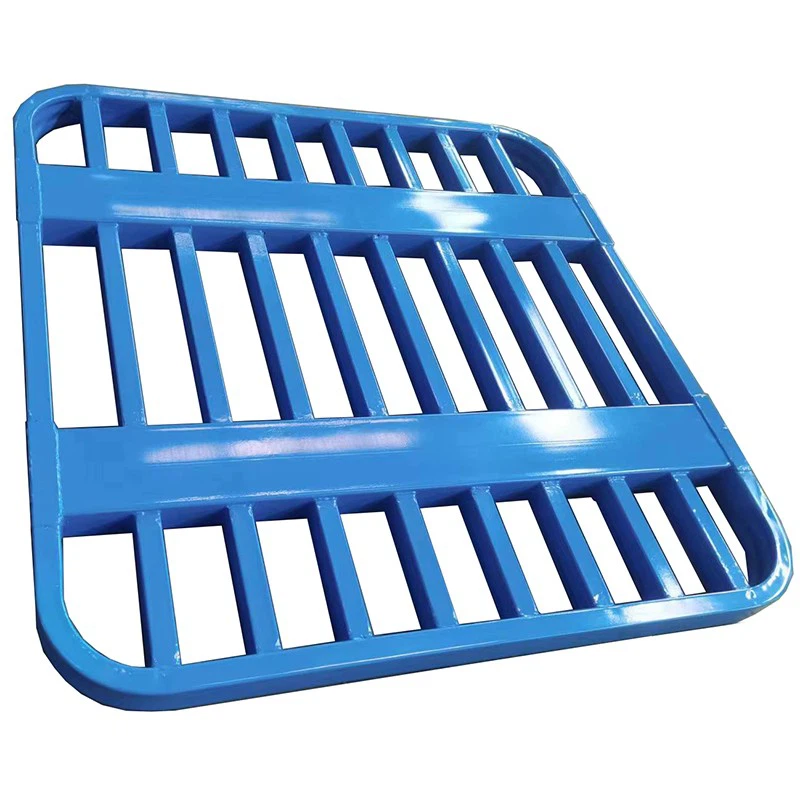
Before we talk about the steel thickness, let's quickly go over what Right Coner Steel Pallets are. These pallets are designed with sharp corners, which can be great for certain applications, especially when you need a more angular and precise fit. They're commonly used in industrial settings for storing and transporting heavy goods. You can check out more about them on our Right Coner Steel Pallet page.
Why Steel Thickness Matters
The thickness of the steel used in a pallet is like the foundation of a building. It determines how much weight the pallet can hold and how well it can withstand wear and tear. A thicker steel pallet will generally be stronger and more durable, but it will also be heavier and more expensive. On the other hand, a thinner steel pallet might be lighter and more cost - effective, but it may not be able to handle as much weight.
Common Steel Thicknesses for Right Coner Steel Pallets
In the world of steel pallets, there are several common thicknesses that are used. The most typical range is between 1.2mm and 3.0mm.
- 1.2mm - 1.5mm: Pallets with this thickness are on the lighter side. They're suitable for applications where the load is not extremely heavy. For example, if you're using the pallets to store and move small to medium - sized boxes in a warehouse, a 1.2mm or 1.5mm thick steel pallet might be a good choice. They're also more affordable, which can be a big plus if you're on a budget.
- 1.8mm - 2.0mm: This is a popular thickness range for many industrial applications. Pallets with this thickness can handle a moderate amount of weight. They're often used in manufacturing plants for transporting parts and components. They offer a good balance between strength and weight, making them a versatile option.
- 2.5mm - 3.0mm: These are the heavy - duty pallets. They're designed to handle very heavy loads, such as large machinery or bulk materials. If you're in an industry where you need to move extremely heavy items, a pallet with a thickness in this range is your best bet. However, keep in mind that they're heavier and more expensive than the thinner options.
Factors Affecting the Choice of Steel Thickness
There are several factors that you need to consider when choosing the right steel thickness for your Right Coner Steel Pallets.

- Load Capacity: This is probably the most important factor. You need to know how much weight the pallet will be carrying on a regular basis. If you're dealing with light loads, a thinner steel pallet will do the job. But for heavy loads, you'll need a thicker one.
- Frequency of Use: If the pallets are going to be used frequently, you'll want a thicker steel to ensure they can withstand the wear and tear. On the other hand, if they're only going to be used occasionally, a thinner option might be sufficient.
- Storage Conditions: The environment where the pallets will be stored also matters. If they're going to be stored in a humid or corrosive environment, a thicker steel with a good coating (like zinc galvanization) might be necessary to prevent rust and corrosion. You can learn more about Zinc Galvanized Steel Pallet on our website.
Comparing Right Coner Steel Pallets with Other Types
It's also interesting to compare Right Coner Steel Pallets with other types of steel pallets, like Round Corner Steel Pallet. Round corner pallets are more suitable for applications where there's a risk of damage to the goods or the surrounding environment. The rounded corners reduce the chances of scratching or puncturing. However, in terms of steel thickness, the same principles apply. You still need to choose the thickness based on the load capacity, frequency of use, and storage conditions.
Making the Right Choice
So, how do you decide which steel thickness is right for you? Here are some steps to help you make an informed decision:
- Assess Your Needs: First, figure out how much weight you'll be putting on the pallets and how often you'll be using them. This will give you a rough idea of the load capacity you need.
- Consider the Environment: Think about where the pallets will be stored and used. If it's a harsh environment, you might need a thicker and more corrosion - resistant steel.
- Budget: Of course, your budget plays a role. Thicker steel pallets are more expensive, so you need to find a balance between your needs and your budget.
Conclusion
In conclusion, the thickness of the steel used in Right Coner Steel Pallets is a critical factor that can significantly impact their performance. Whether you need a light - duty pallet for small loads or a heavy - duty one for large machinery, there's a steel thickness that's right for you. If you're still not sure which thickness to choose, don't hesitate to reach out to us. We're here to help you make the best decision for your business.
If you're interested in purchasing Right Coner Steel Pallets or have any questions about steel thickness or other aspects of our products, feel free to contact us. We'd be more than happy to discuss your requirements and provide you with a customized solution.
References
- Industry standards for steel pallets
- Manufacturer's guidelines for steel pallet production


