


As a supplier of Stack Rack For Cold Room, I've seen firsthand the challenges that come with keeping these racks in top - notch condition, especially when it comes to the pesky problem of icing up. Cold rooms are a crucial part of many industries, from food storage to pharmaceuticals, and the stack racks inside them play a vital role in maintaining orderly storage. But icing can throw a real wrench in the works. So, let's dive into how we can prevent stack racks in cold rooms from icing up.
Understanding the Root Causes of Icing
Before we can tackle the problem, we gotta understand what's causing it. The main culprit is usually the difference in temperature and humidity. When warm, moist air enters the cold room, the sudden drop in temperature causes the water vapor in the air to condense and then freeze on the cold surfaces of the stack racks. This can happen when the cold room door is opened too frequently, or if there are air leaks in the room's insulation.
Another factor can be poor air circulation within the cold room. Stagnant air allows moisture to accumulate in certain areas, increasing the chances of icing. And let's not forget about the racks themselves. If they're not made of the right materials or aren't properly maintained, they can be more prone to icing.
Choosing the Right Stack Racks
One of the first steps in preventing icing is to choose the right stack racks for your cold room. We offer a range of options like the Angle Steel Post Stack Pallet. These racks are made from high - quality materials that are less likely to accumulate ice. The angle steel construction provides a sturdy base, and the design allows for better air circulation around the racks, reducing the likelihood of moisture buildup.
Our Stack Rack for Cold Room is specifically designed to withstand the cold and humid conditions of a cold room. It's built with the right coating and materials that resist ice formation. The rack's open - frame design also helps air to flow freely, which is key to preventing condensation.
If you need a more flexible option, the Collapsible Galvanized Stack Rack is a great choice. The galvanized coating protects the rack from rust and ice formation, and its collapsible feature makes it easy to store when not in use, while also allowing for better airflow in the cold room.
Controlling Temperature and Humidity
Maintaining the right temperature and humidity levels in the cold room is crucial for preventing icing. You should aim to keep the temperature as stable as possible. Fluctuations in temperature can cause moisture to condense on the racks. Use a reliable temperature control system and regularly monitor the readings.
Humidity is another important factor. You can use dehumidifiers in the cold room to reduce the amount of moisture in the air. Make sure the dehumidifiers are properly sized for the room to be effective. Additionally, seal any air leaks in the cold room. Check the door seals, walls, and ceiling for any gaps where warm, moist air could enter.
Improving Air Circulation
Proper air circulation is essential for preventing icing. You can install fans in the cold room to keep the air moving. Position the fans in a way that ensures even air distribution throughout the room. This helps to prevent pockets of stagnant air where moisture can accumulate.
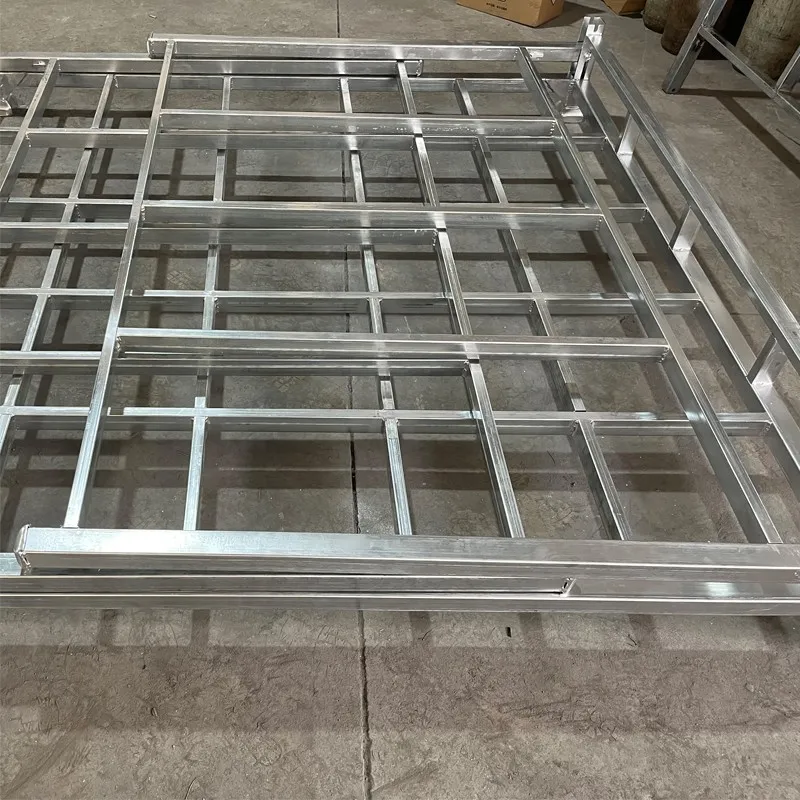

When arranging the stack racks, leave enough space between them. Overcrowding the racks can block the airflow, leading to increased humidity and icing. Make sure there's at least a few inches of space between each rack to allow air to circulate freely.
Regular Maintenance
Regular maintenance of the stack racks is a must. Inspect the racks regularly for any signs of ice formation, damage, or corrosion. If you notice any ice, remove it as soon as possible. You can use a soft brush or a specialized ice - removal tool to gently get rid of the ice without damaging the rack.
Check the rack's components, such as the bolts and joints, to make sure they're tight and secure. Loose parts can cause the rack to shift, which can disrupt the airflow and increase the risk of icing. Also, clean the racks regularly to remove any dirt or debris that could trap moisture.
Employee Training
Your employees play a crucial role in preventing rack icing. Train them on the proper procedures for using the cold room and the stack racks. Teach them to open and close the cold room door quickly to minimize the amount of warm, moist air that enters.
Educate them about the importance of maintaining the right temperature and humidity levels, as well as proper air circulation. Encourage them to report any signs of ice formation or rack damage immediately so that you can address the issue promptly.
Conclusion
Preventing stack racks in cold rooms from icing up is a multi - faceted challenge, but with the right approach, it's definitely achievable. By choosing the right stack racks, controlling temperature and humidity, improving air circulation, performing regular maintenance, and training your employees, you can keep your cold room stack racks ice - free and in great working condition.
If you're in the market for high - quality stack racks for your cold room, we're here to help. Our products are designed to meet the toughest cold - room conditions and prevent icing. Contact us to discuss your specific needs and start improving your cold room storage today.
References
- Refrigeration and Air - Conditioning Technology by William C. Whitman, William M. Johnson, and John A. Tomczyk.
- Industrial Cold Storage Design and Operation: Practical Guidelines by the International Institute of Refrigeration.


