


Hey there! As a supplier of Square Pallet Feet, I often get asked about the heat resistance of these nifty little components. So, I thought I'd take a few minutes to break it down for you.
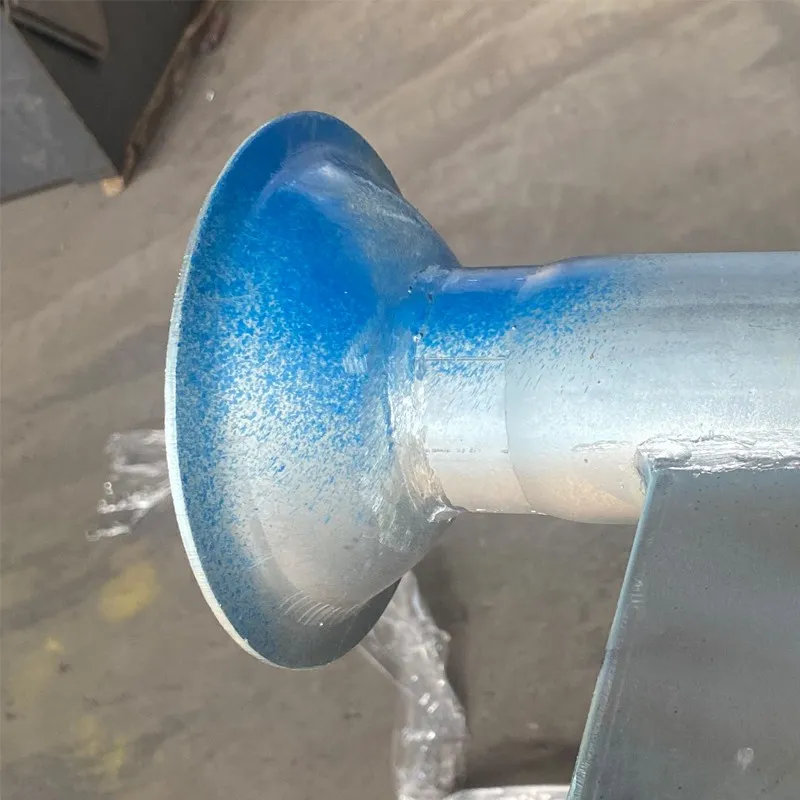
First off, let's talk about what Square Pallet Feet are. They're sturdy, square - shaped supports that are used in all sorts of pallet designs. You can check out our range of Square Pallet Feet on our website. These feet play a crucial role in providing stability and support to pallets, which are used for transporting and storing goods all over the world.
Now, the heat resistance of Square Pallet Feet is a pretty important factor, especially if you're using pallets in environments where temperatures can get a bit toasty. The heat resistance mainly depends on the materials used to make these feet.
Most of the Square Pallet Feet we supply are made from high - quality steel. Steel is known for its relatively good heat - resistant properties. It can withstand a fair amount of heat before it starts to show any significant signs of damage.
In general, mild steel Square Pallet Feet can handle temperatures up to around 400 - 500 degrees Celsius (752 - 932 degrees Fahrenheit) without experiencing major structural changes. At these temperatures, the steel retains its strength and shape, which means your pallets will still be able to support the loads they're designed for.
However, if the temperature goes beyond this range, things start to get a bit dicey. As the temperature rises, the steel begins to lose its hardness and strength. Above about 500 degrees Celsius, the steel starts to soften, and it becomes more prone to deformation. This could be a real problem if your pallets are carrying heavy loads, as the softened feet might not be able to support the weight properly, leading to pallet failure.
For more extreme heat environments, we also offer Square Pallet Feet made from heat - resistant alloys. These alloys are specifically engineered to withstand much higher temperatures. Some of these high - performance alloys can handle temperatures well over 1000 degrees Celsius (1832 degrees Fahrenheit). They're a great option if you're in an industry like foundries, glass manufacturing, or any other high - heat industrial setting.
But it's not just about the maximum temperature the feet can handle. The duration of exposure to heat also matters. Even if the temperature is within the acceptable range for the material, a long - term exposure can still cause some degradation. For example, if your Square Pallet Feet are constantly exposed to temperatures close to their maximum heat - resistance limit, over time, the material might start to oxidize or develop micro - cracks. These issues can weaken the feet and reduce their overall lifespan.
Now, let's compare Square Pallet Feet with other types of pallet feet in terms of heat resistance. We also supply V Shape Pallet Feet and Round Pallet Feet.
The heat - resistance characteristics of V Shape and Round Pallet Feet are similar to those of Square Pallet Feet when they're made from the same materials. However, the shape can have a bit of an impact on how the heat is distributed. Square Pallet Feet, with their flat surfaces, might conduct heat more evenly across the foot compared to V Shape or Round Pallet Feet. This even heat distribution can be an advantage in some cases, as it reduces the chances of localized overheating and damage.
On the other hand, the shape of V Shape and Round Pallet Feet might give them a bit more flexibility in terms of heat expansion. Since they don't have sharp corners like Square Pallet Feet, they can expand more freely when heated without causing as much internal stress. This can potentially make them more resistant to cracking in high - heat situations.
When choosing the right type of pallet feet for your application, it's important to consider not only the heat resistance but also other factors like load - bearing capacity, cost, and ease of installation.
If you're in an industry where heat is a concern, it's a good idea to do some testing. You can simulate the heat conditions your pallets will be exposed to and see how the Square Pallet Feet perform. This way, you can make an informed decision about whether the standard mild steel feet are sufficient or if you need to invest in the more expensive heat - resistant alloy options.
Another thing to keep in mind is maintenance. Regularly inspecting your Square Pallet Feet for signs of heat damage, such as discoloration, warping, or cracking, can help you catch any problems early. If you notice any issues, it's best to replace the damaged feet as soon as possible to avoid any potential safety hazards.
In conclusion, the heat resistance of Square Pallet Feet is an important consideration, especially in high - heat environments. Whether you're using them in a standard warehouse or a high - temperature industrial setting, understanding how they perform under heat can help you choose the right product for your needs.
If you're interested in learning more about our Square Pallet Feet or have any questions about their heat resistance, don't hesitate to reach out. We're here to help you find the perfect pallet feet solution for your business. Whether you're looking for a one - time purchase or a long - term supply agreement, we've got you covered.

References
- "Steel: Properties and Applications" - A general guide on the properties of steel and its behavior under different temperatures.
- Industry reports on pallet manufacturing and the performance of different pallet components in various environments.


